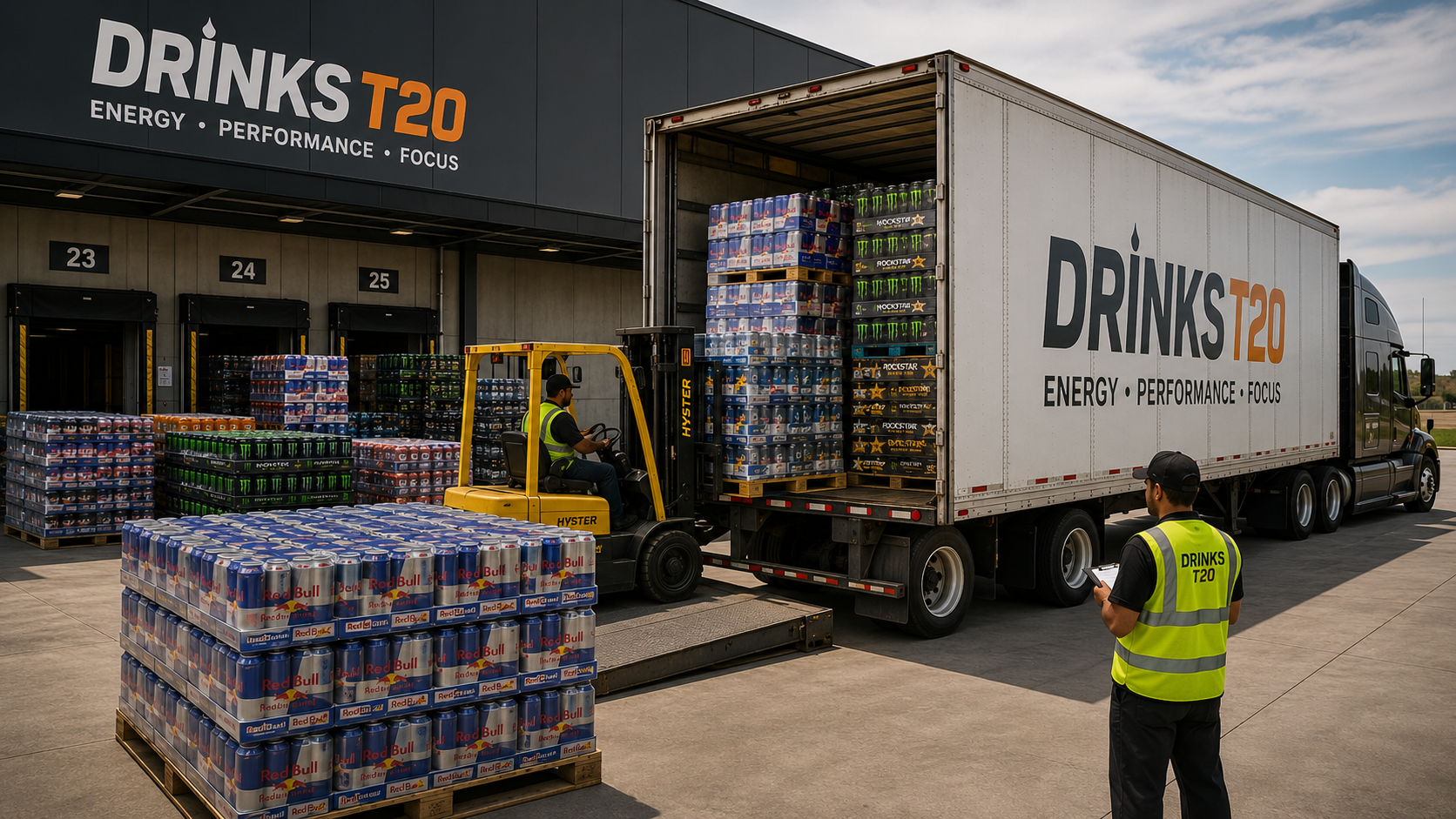

Businesses across the United States buy energy drinks in bulk because the demand never stops. Convenience stores move them out of coolers from morning through late night. Gas stations sell them to commuters, truckers and road crews at every fuel stop. Vending operators depend on them to generate consistent machine revenue. Beverage distributors buy them in volume to supply dozens of retail accounts across a territory. In each of these environments, energy drinks are not a seasonal product or a secondary category. They are a daily staple with predictable turnover and commercial relevance that justifies serious purchasing strategy.
For commercial buyers, the decision to purchase energy drinks in bulk is rarely about a single order. It is about building a supply relationship that supports sales continuity, inventory control and business growth. A buyer who understands the difference between bulk case orders, pallet purchasing and truckload supply is better positioned to choose the right format for their operation, negotiate from a position of knowledge and avoid the inventory problems that come from poor planning.
This guide covers how bulk energy drink purchasing works, who buys in volume, which brands are most commonly sourced, how pricing is structured, what mistakes to avoid and how to choose a supplier that supports your business rather than complicating it. For buyers exploring the full scope of wholesale energy drink supply, the energy drink wholesale USA overview provides additional market context alongside this guide.

Why Businesses Buy Energy Drinks in Bulk
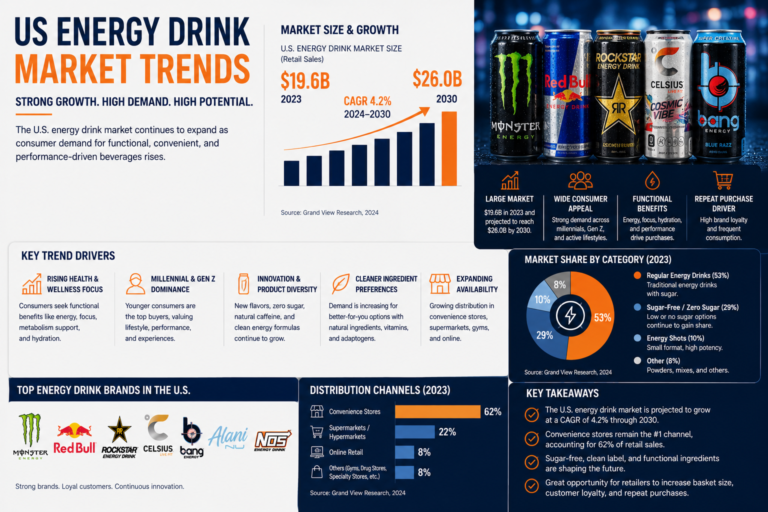
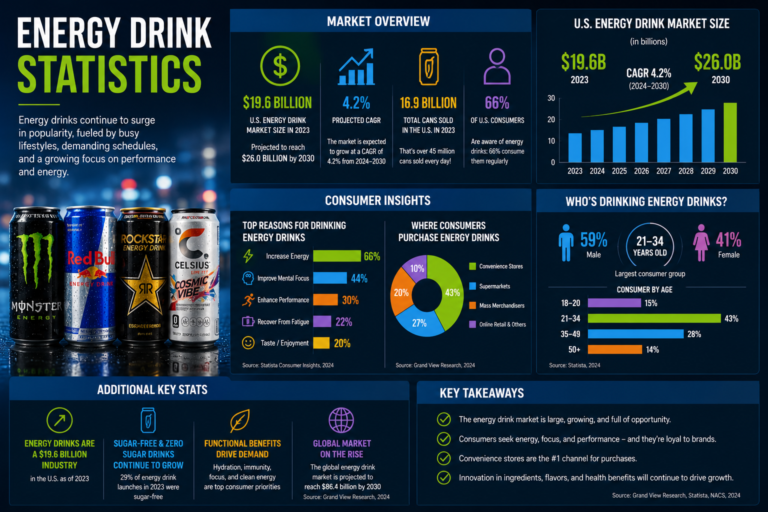
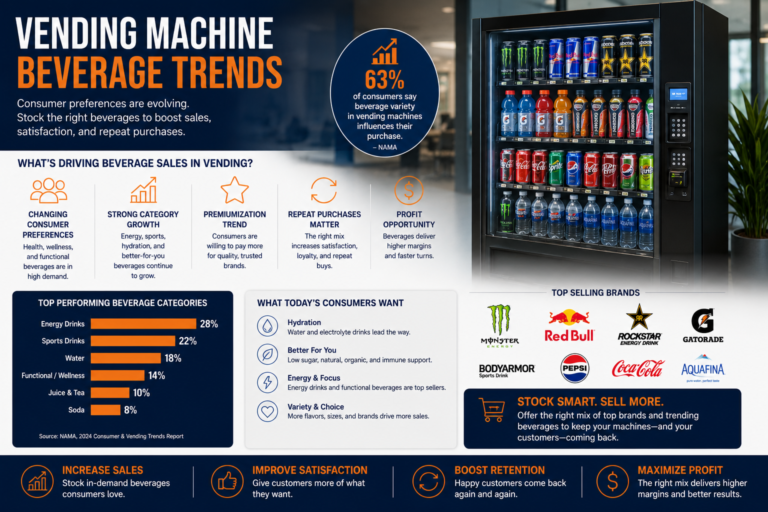
Energy drinks have moved well beyond their original niche. They are now among the top-performing packaged beverage categories in convenience retail, and the National Association of Convenience Stores reported that energy drinks accounted for 27.8% of all packaged beverage category dollars in convenience stores in 2024. That figure reflects consistent consumer behavior, not a trend. People buy energy drinks regularly, across demographics, across times of day and across retail formats.
For commercial buyers, that demand consistency is the starting point for any bulk purchasing decision. When a product sells through predictably, buying it in larger quantities makes operational sense. The alternative, placing small frequent orders, creates a cycle of administrative overhead, higher per-unit cost and constant exposure to stockout risk.
Bulk purchasing solves several problems at once. It stabilizes inventory so the product is available when customers want it. It reduces how often a buyer needs to reorder, which frees up time for other operational priorities. It also allows buyers to access a broader product mix within a single order, sourcing multiple brands, formats and flavors rather than ordering each separately. For businesses managing tight margins in competitive retail environments, these efficiencies are not minor. They have a direct effect on how the business runs day to day.
Buyers often use bulk ordering as the entry point into a larger wholesale relationship, then progress into pallet orders or truckload supply as their volume and confidence in the supplier increases. Starting with bulk purchasing allows a buyer to evaluate product performance, confirm supplier reliability and build inventory data before committing to a larger volume position.
Who Typically Purchases Bulk Energy Drinks?
The range of businesses that buy energy drinks in bulk is wider than many buyers initially realize. Each channel has its own purchasing rhythm, inventory requirements and reasons for sourcing in volume. Understanding where your business fits within this landscape helps clarify which ordering format, supplier type and product mix will serve you best.
Convenience Stores
Convenience stores are the single largest retail channel for energy drink sales in the United States. Customers stop in for quick purchases, and energy drinks sit at the center of that impulse buying pattern. The combination of cooler visibility, fast turnover and repeat customer behavior makes energy drinks one of the most commercially important categories a convenience store carries.
A well-stocked convenience store in a high-traffic location will move through core energy drink SKUs quickly, often selling 50 or more units of top-selling flavors on a single busy day. At that velocity, ordering too infrequently or in quantities that are too small creates stockout situations that translate directly into lost revenue. Bulk purchasing gives convenience store operators the inventory buffer they need to keep coolers full without placing orders every few days.
For convenience store buyers, the product mix matters as much as the quantity. Stocking only one or two brands limits customer choice and leaves revenue on the table. A well-planned bulk order typically includes a core selection of Monster and Red Bull SKUs, a functional or sugar-free option like Celsius and at least one emerging brand that appeals to younger or health-conscious shoppers.
Gas Stations
Gas stations serve a specific type of energy drink buyer: people in transit. Commuters, long-haul truck drivers, delivery workers, road crews and travelers all make fuel stops, and a significant portion of them add an energy drink to the transaction. The purchase is functional. They need to stay alert, finish a shift or get through a long drive. That makes energy drink demand at gas stations both predictable and persistent.
Gas station operators benefit from bulk purchasing because the buying pattern at their locations follows traffic. Weekday mornings, afternoon commutes and late-night trucker stops generate spikes in demand. Having enough inventory to cover these periods without reordering mid-week is a straightforward operational advantage. Multi-site gas station operators in particular should consider coordinated bulk purchasing across locations to simplify logistics and reduce per-unit costs.
Supermarkets
Supermarkets approach energy drink purchasing differently from convenience or gas formats. Category management plays a larger role. Buyers work with planogram requirements, promotional calendars and weekly sales velocity data to determine how much inventory to hold and when to reorder. Energy drinks may appear in cooler sections, beverage aisles, multi-pack endcaps and checkout displays, each location drawing different consumer behavior.
Supermarket buyers purchasing energy drinks in bulk need to account for shelf rotation, expiration management and promotional commitments. A promotional endcap that drives a 3x sales spike in one week requires a supply buffer that a just-in-time ordering approach does not support. Bulk purchasing provides that buffer and gives category managers more flexibility to respond to demand shifts without scrambling for product.
Vending Companies
Vending companies purchase energy drinks for machines in offices, gyms, warehouses, schools, transit hubs, apartment complexes and commercial facilities. The vending model is built on predictable, location-based consumption. A machine in a warehouse with 200 employees on a rotating shift schedule will sell through energy drinks at a consistent rate week after week. That predictability makes bulk purchasing straightforward and efficient for vending operators.
For vending buyers, can size compatibility, brand recognition and price point are the primary selection criteria. A product that does not fit the machine slot or that consumers do not recognize is a dead SKU. Bulk purchasing works best for vending operators when it is built around proven performers, with new products introduced selectively and in smaller quantities until demand is confirmed.
Vending operators managing 30 or more machines across multiple accounts should think about bulk purchasing as a logistics decision, not just a pricing one. Ordering in larger quantities reduces the number of supplier touchpoints per month and simplifies the inventory management process across a distributed machine network.
Beverage Distributors
Beverage distributors represent one of the most commercially significant buyer types in wholesale energy drink supply. They are not buying for a single retail location. They are buying to fulfill orders across a territory of accounts that may include convenience stores, gas stations, supermarkets, gyms and vending operators simultaneously. That scale changes the nature of the purchasing relationship entirely.
For distributors, bulk purchasing is often a starting point that quickly evolves into pallet or truckload supply as their downstream account base grows. The key requirement for a distributor is not just price but supply consistency. A distributor who commits energy drinks to 40 retail accounts needs to know the product will be available on the same schedule every cycle. Supply interruptions at the distributor level cascade into stockouts across every account they serve, which damages relationships and creates an opening for a competing distributor to step in.
Distributors evaluating wholesale energy drink suppliers should prioritize reliability, communication and the supplier’s ability to scale alongside the distributor’s business. The T20 distributor program is designed specifically for buyers operating at this level.
Benefits of Buying Energy Drinks in Bulk
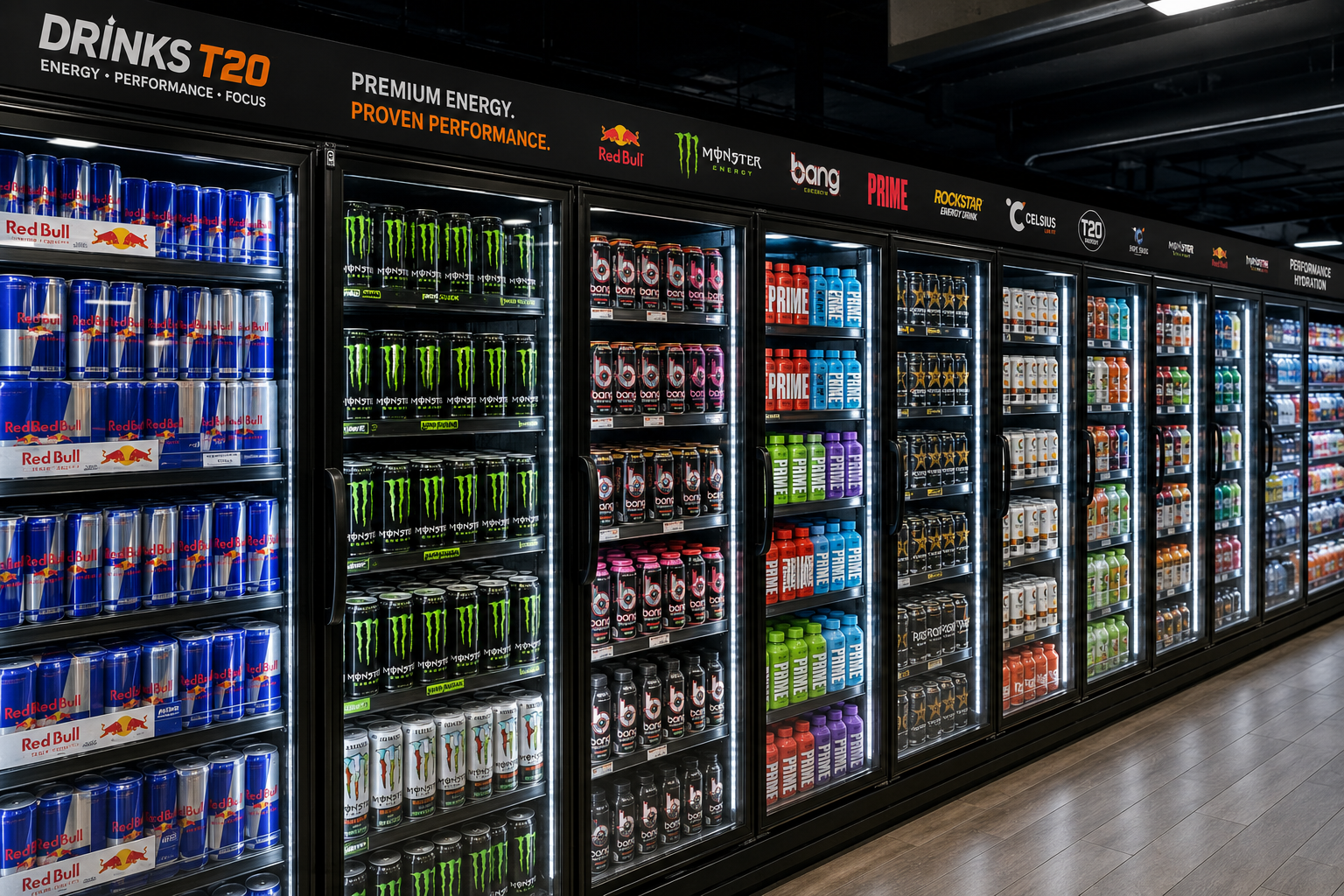
The operational case for bulk purchasing is straightforward, but the specific advantages differ depending on the buyer’s channel, volume and supplier relationship. These are the benefits that matter most to commercial buyers.
Inventory Stability
Stockouts cost money. A convenience store that runs out of Monster at 7am on a Tuesday loses sales to the gas station down the street. A vending machine that sits empty over a weekend fails the accounts that depend on it. Bulk purchasing provides the inventory buffer that prevents these situations from becoming recurring problems.
The goal is not to overstock. It is to have enough product on hand to cover the period between orders without running short. For most commercial buyers, that means understanding their weekly sales velocity for each SKU and building an order cycle that keeps inventory above the reorder threshold at all times.
Reduced Ordering Overhead
Every order placed requires time to process, communicate, receive and log. For businesses placing multiple small orders each month across several brands, that administrative burden adds up. Bulk purchasing reduces the number of orders required without reducing product availability, which frees up time that can be used for higher-value operational tasks.
This is especially relevant for operators managing multiple locations. A regional vending company or a multi-site gas station group that consolidates energy drink purchasing into fewer, larger orders simplifies its entire procurement process.
Product Variety Within a Single Order
Consumers within the energy drink category are not all buying the same product. Some want traditional high-caffeine formulas. Others want sugar-free options, fruit-forward flavors or functional beverages with clean-label positioning. A buyer who sources only one or two SKUs from a single brand misses a portion of their customer base on every transaction.
Bulk ordering often allows buyers to request mixed-brand or mixed-SKU orders that cover the full range of consumer demand within a single purchase. This variety improves the retail experience for customers while keeping inventory management simple for the buyer.
Scalable Purchasing as the Business Grows
Bulk ordering is not a permanent purchasing format. For most growing businesses, it is a stage in the progression toward pallet or truckload supply. Starting with bulk orders gives a buyer the opportunity to confirm demand, build a relationship with a supplier and understand their own inventory cycles before committing to higher volumes.
That progression matters for margin management too. As order volume increases, pricing typically improves. A buyer who begins with bulk purchasing and demonstrates consistent reorder behavior is in a stronger position to negotiate pallet or truckload pricing when the volume justifies it.
Popular Energy Drink Brands Available in Bulk
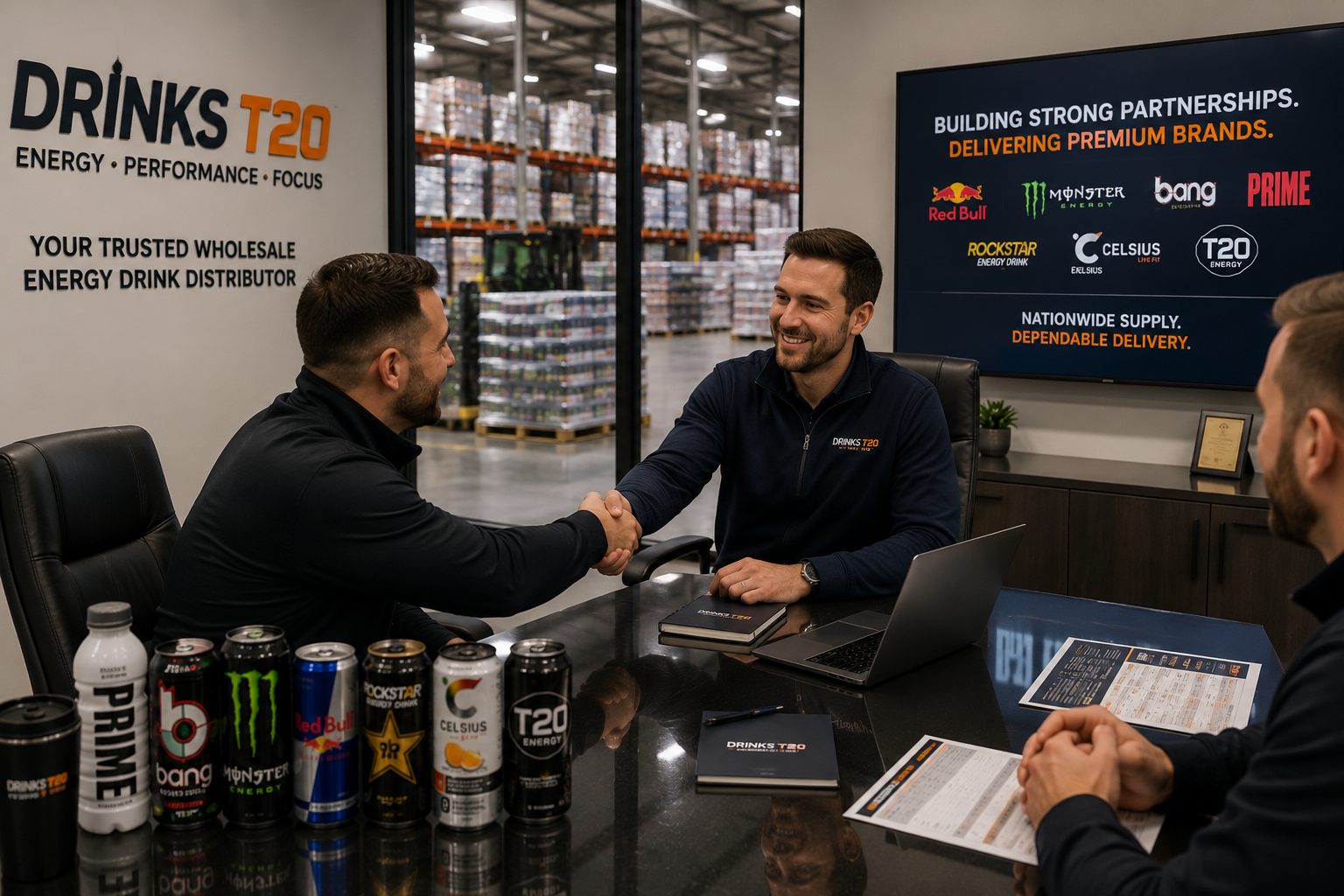
Wholesale buyers generally want to stock brands their customers already recognize and purchase. Brand recognition drives impulse buying, repeat visits and cooler or machine loyalty. The brands below represent the most commonly sourced products in commercial bulk energy drink purchasing.
Monster Energy
Monster Energy is the most widely distributed energy drink brand in U.S. convenience and gas retail. Its SKU range spans original formulas, ultra sugar-free lines, juice blends, fruit flavors, coffee hybrids and performance-oriented products. For wholesale buyers, Monster is a default stocking decision because the brand moves across virtually every retail format and demographic segment.
Buyers sourcing Monster in bulk should plan for mixed SKU orders that include both core sellers like Monster Original and Green and at least one or two extensions from the Ultra or Juice lines to capture the sugar-free and variety-seeking consumer segments. Commercial buyers can review the Monster Energy wholesale page for brand-specific buying guidance.
Red Bull
Red Bull carries some of the strongest brand equity in the global energy drink market. Its 8.4oz original can remains one of the most recognized single-serve beverage products in the world, and the brand’s sugar-free and flavor extensions have expanded its appeal significantly. For retailers, Red Bull commands premium shelf placement and premium pricing, which supports stronger category margins compared with many competing brands.
Buyers sourcing Red Bull in bulk should account for can format and size preferences at their specific locations. The standard 8.4oz is the core SKU, but 12oz and 20oz formats have grown in convenience and gas channels where consumers want more volume for their purchase. Buyers can find additional sourcing information on the Red Bull wholesale page.
Celsius
Celsius is the most commercially significant functional energy drink in U.S. retail right now. It grew from specialty fitness channels into mainstream convenience, supermarket and vending distribution by targeting a consumer segment that was not well served by traditional high-sugar energy drinks. Health-conscious buyers, gym-goers, young professionals and active lifestyle consumers have driven Celsius into the top tier of energy drink sales nationally.
For wholesale buyers, Celsius is not a replacement for Monster or Red Bull. It is an addition that captures a consumer segment those brands do not fully serve. A convenience store carrying Monster, Red Bull and Celsius covers a wider consumer base than one stocking only traditional brands. Buyers can explore Celsius-specific supply considerations on the Celsius wholesale page.
Prime Energy
Prime Energy built its following through high-visibility marketing and strong appeal to younger consumers. It entered the market with significant consumer interest and has maintained relevance in retail and vending environments that serve younger demographics. For buyers targeting schools, gyms, entertainment venues or youth-oriented retail, Prime is a meaningful addition to the product mix.
Commercial buyers should evaluate Prime based on the specific demographics at their retail locations. Where the consumer profile matches, it adds variety and drives trial purchases. The Prime Energy wholesale page covers sourcing considerations for commercial buyers.
Rockstar Energy
Rockstar serves the value-oriented and variety-seeking segments of the energy drink market. Its broad SKU range, accessible price points and wide distribution footprint make it a useful complement to premium-priced brands in retail sets. For buyers managing price-sensitive customer bases or looking to fill out a cooler set with variety at multiple price points, Rockstar provides a solid commercial option.
Buyers interested in the full range of available brands can explore the energy drink wholesale product range for current availability and ordering options.
Bulk Orders vs Pallet Orders vs Truckload Orders
The right purchasing format depends on your sales volume, storage capacity, cash flow position and delivery logistics. Choosing the wrong format creates inventory problems at both ends of the spectrum: too little and you stockout, too much and you tie up cash in product that takes months to sell through.
Bulk orders are the entry point for commercial energy drink purchasing. They provide more volume than retail purchasing without the logistical requirements of a full pallet delivery. Bulk is appropriate for single-location retailers, new accounts, vending operators adding machines and buyers evaluating a new brand or SKU before committing to higher volumes. It offers flexibility and lower upfront inventory commitment while still providing access to commercial pricing.
Pallet orders are the most practical format for established commercial buyers with confirmed demand. A standard energy drink pallet typically holds a defined number of cases shrink-wrapped for efficient transport and warehouse handling. Pallet ordering suits convenience stores managing active cooler sets, gas stations with high daily traffic, supermarkets with promotional commitments and vending operators running 20 or more machines. The key advantages are better per-unit pricing, more efficient logistics compared with case-by-case ordering and a defined replenishment quantity that simplifies inventory planning.
Truckload supply is for high-volume buyers: regional beverage distributors, retail chains with central warehouse operations and commercial operators supplying multiple downstream accounts. Truckload purchasing offers the strongest per-unit economics but requires serious planning. Buyers need confirmed downstream demand, warehouse space to receive and rotate the inventory, and the cash flow to support a large upfront purchase. For distributors who have their account base established and their logistics in place, truckload supply is the most efficient and cost-effective way to buy.
Most commercial buyers progress through these formats as their business grows. Starting with bulk, moving to pallets once demand and supplier reliability are confirmed, then exploring truckload pricing as volume justifies it is a low-risk path that builds purchasing leverage over time.
How Wholesale Energy Drink Pricing Works
Wholesale energy drink pricing is variable. It is not a fixed number that applies to every buyer equally. The price a buyer receives reflects the brand they are sourcing, the quantity they are ordering, the format of the order, the delivery destination and the ongoing commercial relationship with the supplier.
Brand demand plays a significant role. Monster and Red Bull command higher prices than less-established brands because the consumer demand for them is stronger and more consistent. Celsius has seen pricing shift upward as its market position has grown. Newer or emerging brands may offer more accessible entry pricing, but buyers need to weigh that against the risk of lower sell-through.
Order quantity is the most direct pricing variable. A buyer ordering 10 cases will pay more per unit than a buyer ordering 100. A buyer ordering a pallet will pay less per unit than a buyer ordering mixed cases. A distributor ordering truckload volume will access the most favorable pricing available. This is not unusual. It reflects the economics of bulk purchasing across virtually every commodity category.
Delivery destination affects total cost. A buyer in Florida ordering from a Florida-based supplier faces different freight economics than a buyer in Montana ordering from the same source. For buyers comparing supplier quotes, total landed cost including freight should be the comparison point, not the product price alone.
Generic online price lists are not reliable guides for commercial purchasing. A price visible on a retail website or a marketplace listing reflects consumer-level transactions, not wholesale supply. Commercial buyers should request a direct quote that reflects their actual order requirements. The Request Pricing page at T20 is designed for exactly this purpose.
How to Choose the Right Energy Drink Supplier
Supplier selection is one of the most operationally important decisions a commercial energy drink buyer makes. A low quoted price from a supplier who cannot deliver consistently, communicate clearly or scale with your business is not a good deal. It is a source of ongoing operational problems.
The most important qualities in a wholesale energy drink supplier are product availability, supply consistency and communication. A supplier who regularly runs out of stock, provides vague lead times or is slow to respond to commercial inquiries creates downstream problems that ripple through your retail or distribution operation. Your customers do not care about your supplier’s internal issues. They care whether the product is on the shelf or in the machine when they want it.
Before committing to a wholesale energy drink supplier, ask these questions:
- Does the supplier carry the brands and SKUs my customers purchase most frequently?
- Can the supplier fulfill bulk, pallet or truckload orders at the volume my business requires?
- Is the ordering process built for commercial buyers or does it require retail-level friction?
- What are the realistic lead times for delivery to my location?
- How does the supplier handle stock shortfalls or substitutions?
- Is pricing transparent and appropriate for my order volume?
- Does the supplier understand the commercial channel I operate in?
- Can the supplier scale alongside my business as volume increases?
A supplier that cannot answer these questions clearly is not a reliable supply partner. Commercial buyers should also verify that the supplier is set up to serve business accounts, not just consumer buyers who happen to be ordering in larger quantities. There is a meaningful operational difference between a B2B wholesale supplier and a retailer offering bulk discounts.
Common Mistakes Buyers Make When Purchasing Energy Drinks in Bulk
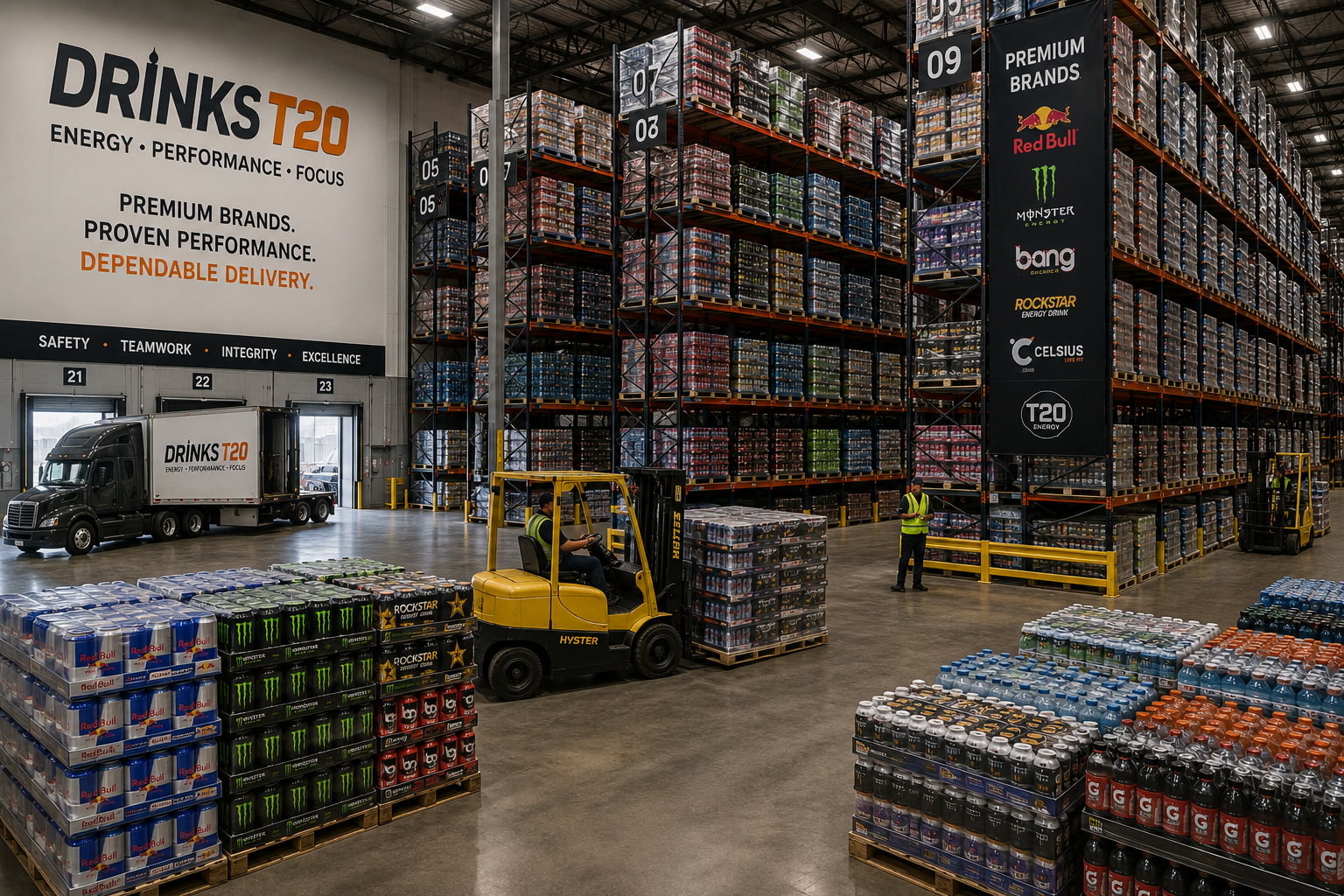
Bulk purchasing decisions that seem straightforward often create problems when buyers have not thought through the full operational picture. These are the mistakes that cause the most disruption for commercial energy drink buyers.
Ordering based on price alone is the most common and most costly mistake. A buyer who selects a supplier based solely on the lowest quoted price and overlooks supply reliability, product availability and communication quality will almost always regret that decision within the first few months. The cost of a stockout in a high-traffic convenience store or a vending machine that sits empty for a week exceeds any per-unit savings from a low-cost but unreliable supplier.
Over-ordering untested products creates inventory problems that take months to resolve. A buyer excited about a new energy drink brand who orders a full pallet before confirming demand at their location is taking an inventory risk that may not pay off. New SKUs should be introduced in smaller quantities, their sell-through confirmed and their reorder velocity understood before committing to larger volumes.
Ignoring logistics when placing large orders is a planning failure that creates delivery problems. A buyer who orders a pallet without confirming they have dock access, a pallet jack and the warehouse space to receive and store the delivery is setting up an operational headache. This is especially true for first-time pallet buyers who have not received freight shipments before.
Failing to plan for product rotation leads to expiration losses. Energy drinks carry shelf life requirements. A buyer who front-loads inventory without a clear plan for rotating stock and selling through older product before it expires risks writing off inventory. Buying in bulk should always be matched to a realistic sell-through timeline based on confirmed sales velocity.
Choosing a supplier without verifying commercial capability wastes time. Some businesses that sell energy drinks at volume are not structured as commercial wholesale suppliers. They may lack the logistical infrastructure, the communication protocols or the product range to serve a serious commercial buyer. Verifying that a potential supplier is built for B2B purchasing before placing an order avoids this problem.
Why Businesses Work With T20 Energy Drink USA LLC
T20 Energy Drink USA LLC is a Margate, Florida-based wholesale energy drink supplier serving commercial buyers across the United States. The company operates as a B2B supply partner, not a consumer retailer, which means every part of the purchasing process is built for business accounts.
Commercial buyers working with T20 access wholesale supply across major energy drink brands including Monster, Red Bull, Celsius, Prime Energy and Rockstar. Ordering formats include bulk energy drink orders, pallet supply and truckload purchasing for high-volume buyers. The distributor program supports regional buyers who need to supply multiple downstream accounts.
T20 serves buyers across multiple commercial channels, including convenience stores, gas stations, supermarkets, vending companies and beverage distributors. Each of these channels has different purchasing requirements, and T20’s supply model is structured to accommodate them without requiring buyers to fit into a one-size purchasing format.
The request pricing process is direct. Buyers submit their product requirements, order volume, delivery location and business type. The T20 team reviews each request and responds with supply information relevant to that buyer’s specific situation. There are no retail barriers, no consumer-level minimums and no obligation to create an account before starting a conversation about supply.
T20 Energy Drink USA LLC is located at 6221 W. Atlantic Blvd, Margate, FL 33063. Commercial buyers can reach the team at sales@drinkst20.com or by calling +1 (856) 556-9428.
Request Wholesale Energy Drink Pricing
Ready to buy energy drinks in bulk for your business? T20 Energy Drink USA LLC works with convenience stores, gas stations, supermarkets, vending companies, beverage distributors and commercial buyers across the United States. Submit your requirements and receive pricing for bulk, pallet or truckload supply.
Frequently Asked Questions About Buying Energy Drinks in Bulk
What qualifies as a bulk energy drink order?
In commercial wholesale purchasing, bulk refers to quantities above standard retail case packs, typically starting at multiple cases and scaling up to pallet or truckload volumes. The exact threshold varies by supplier. For T20, bulk orders are structured for commercial buyers that need more than consumer-level quantities but may not yet require full pallet purchasing. Buyers can submit their requirements through the Request Pricing page to receive a quote based on their specific volume needs.
Which energy drink brands are available for bulk purchasing?
Commercial buyers frequently source major brands including Monster Energy, Red Bull, Celsius, Prime Energy and Rockstar. Brand availability depends on current stock, order size and buyer requirements. T20 works with commercial buyers to identify the brands that best fit their retail or distribution environment. Buyers should specify preferred brands when submitting a pricing request.
How is wholesale energy drink pricing determined?
Wholesale pricing reflects brand demand, order quantity, packaging format, delivery destination and the buyer’s overall order volume. Larger orders in pallet or truckload format typically access better per-unit pricing than smaller bulk case purchases. Buyers should request a direct commercial quote rather than relying on retail price lists, which do not reflect wholesale supply economics.
What is the difference between bulk orders, pallet orders and truckload supply?
Bulk orders cover quantities above retail case packs but below a full pallet. Pallet orders consist of a defined number of shrink-wrapped cases designed for freight delivery and warehouse handling. Truckload supply fills a full freight trailer and is most appropriate for high-volume distributors or retail chains with central warehouse capacity. Each format has different pricing, logistics and planning requirements.
Can I mix brands and flavors in a bulk energy drink order?
Many commercial buyers request mixed-brand or mixed-SKU orders to support variety in their cooler, shelf or machine offering. Whether mixed orders are available depends on the supplier. T20 buyers can specify their product preferences when requesting pricing, and the team reviews what is achievable based on current availability and order structure.
How do I choose the right energy drink supplier for my business?
Prioritize supply consistency, product range, communication quality and the supplier’s ability to handle commercial purchase formats. A supplier that offers low prices but inconsistent fulfillment creates more operational problems than a slightly higher-priced supplier that delivers reliably. Verify that the supplier is structured for B2B purchasing and understands the commercial channel you operate in before committing to a supply relationship.
What do I need to receive a pallet order at my location?
Pallet delivery typically requires a receiving area accessible to a freight truck, a pallet jack or forklift for unloading and warehouse or back-stock space to store the inventory. Buyers without dock access may need to arrange liftgate delivery. Confirming these logistics before placing a pallet order prevents delivery complications and additional freight charges.
How quickly do wholesale energy drink orders ship?
Lead times vary by order size, product availability and delivery destination. Buyers should discuss realistic lead times with their supplier before placing an order, particularly for pallet or truckload volumes where freight coordination adds to the total timeline. Planning orders ahead of peak demand periods reduces the risk of stockouts caused by delivery delays.
Are bulk energy drink orders suitable for new businesses?
Yes. Bulk ordering is a practical entry point for new commercial buyers who want to access wholesale pricing without committing to pallet or truckload volumes before demand is confirmed. Starting with bulk orders allows a new business to test product performance, understand their sales velocity and build a supply relationship before scaling up to larger purchasing formats.
How do beverage distributors use bulk energy drink purchasing?
Beverage distributors often begin with bulk purchasing to evaluate product performance across their account base before committing to pallet or truckload supply. As downstream demand is confirmed across multiple retail accounts, distributors typically move into larger purchasing formats to improve per-unit economics and simplify logistics. The T20 distributor program supports buyers operating at this level with supply structures designed for multi-account distribution.